
Plumbing · Ashford, Kent
Boiler & Hot Water Repair in Ashford, Kent
The boiler you own in Ashford is usually decided by the decade that built your house, and that is where a sensible repair call starts. Emergency Plumber Ashford coordinates heating and hot-water work across the whole spread, and the make and the likely fault are often half-read from the address and the era of the house before anyone sets off. A pressurised combi in a Park Farm estate home and a tired cylinder system in a Willesborough village house go wrong in their own distinct ways, so the visit follows the property, not a script pinned to the wall.
That distinction is sharper in Ashford than in most towns because of the growth-town story. Estate after estate has gone up since the 2001 expansion designation — Kingsnorth and Park Farm, the Finberry community, the newer Kennington developments — nearly all of it recent build carrying combi, system and unvented-cylinder setups with short pipe runs. Set against that is the older heart of town inside the ring road and the village stock at Willesborough, where conventional boilers still feed separate cylinders through ageing pipework, and where a scaled immersion and stubbornly uneven hot water are the familiar complaints.
One thing runs through both worlds regardless of the decade: the water. South East Water lifts Ashford's supply mostly from the North Downs chalk and rates it hard to very hard, which means calcium deposits keep building on heat exchangers, cylinders and immersion elements from the newest Finberry combi to the oldest town-centre tank. When a boiler drops pressure, stalls under load or only ever reaches lukewarm, the culprit here is more often accumulated scale than a snapped component, and separating those two is exactly what a diagnosis visit is for.
Wherever gas is involved the work meets the Gas Safety (Installation and Use) Regulations 1998, which set out how that side of the job must be carried out whatever badge sits on the casing. Lose your hot water and heating completely and we treat it as a same-day priority — dial 07588 068821 and someone gets eyes on the real fault before anyone leaps to talk of a full replacement.
What We Do
Where a Boiler Call Actually Lands
Almost every breakdown comes down to scale, a worn part, or the two feeding each other — so the fault is confirmed on site first, and nothing is swapped on a hunch.
Combi & System Faults on the Newer Estates
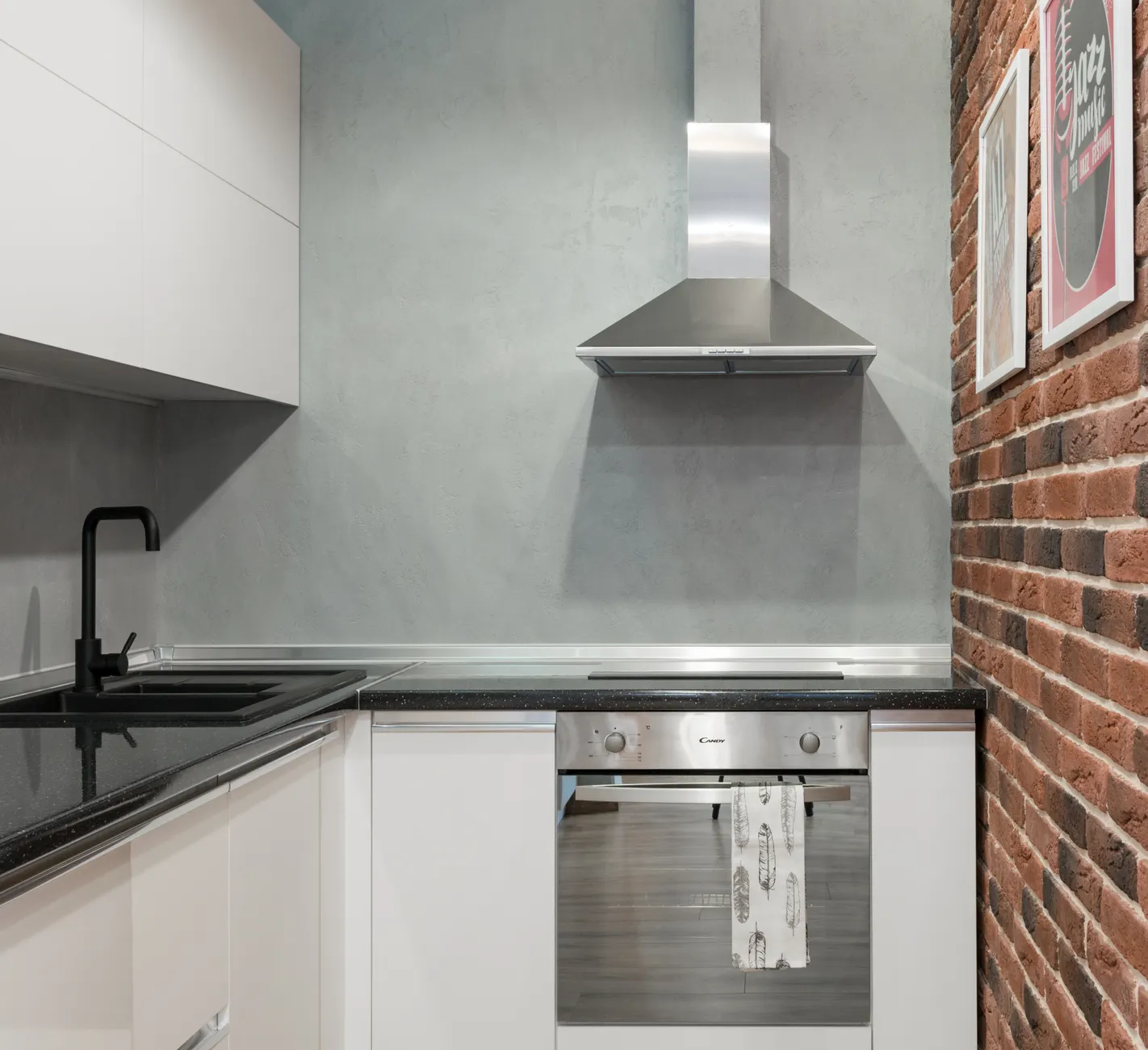
Homes across the modern Kingsnorth, Finberry and Kennington estates lean on pressurised combi and system boilers paired with unvented cylinders, and these throw error codes, bleed pressure or cut out under load in ways all their own. Because a furred plate exchanger and a dead pressure sensor can look the same from the display, we rule between them before touching a part.
Where the answer is a stuck valve, a flat expansion vessel or an airlock, that is frequently sorted within the same visit once the cause is nailed down rather than assumed from the fault reading.
Cylinders & Immersion Heaters in Older Stock
Plenty of the cylinders sitting in town-centre and Willesborough airing cupboards are older than the boiler now feeding them, and a scaled or dying immersion element is among the likeliest single reasons the hot water in those homes runs tepid or comes and goes. Renewing the element — or the cylinder itself where it has had its day — brings the hot water back without disturbing the boiler.
Chalk-hard water lets an immersion lose efficiency long before it stops entirely, so the decline arrives quietly over weeks rather than in one cold morning.
Power Flushing the Whole System
Where scale and sludge have settled through the radiators and pipework, a power flush pushes water and cleaning chemicals through the lot at speed to clear what an ordinary service leaves behind. It goes at the hard-water build-up itself instead of chasing whichever component the debris has chosen to clog this month.
Cold patches at the base of radiators, or a system that stays noisy after servicing, are the usual prompts — and with the chalk supply as hard as it is across Ashford, a good many systems reach that point in the end.
The Benefits
Why Fixing the Cause Beats Swapping Parts
Hard water is the constant across both of the town's housing worlds, so any repair that steps around the scale usually reappears within the year wearing a fresh symptom.
Diagnosis Before Any Part Is Fitted
You get the written figure once the fault is proven on site, not ahead of it — the call-out is priced from about £80, and the repair number answers to what is actually wrong rather than a guess made down the line. Fitting a part that was never at fault only pushes the real fix further off and bills you twice to learn as much.
Fewer Repeat Breakdowns on Old Cylinders
The elderly cylinders and pipework in the town centre and Willesborough sit on the identical chalk supply that scales every boiler for miles, so going straight at the scale — rather than the one symptom it happens to be showing — spares you the system that packs up each winter for the very same buried reason.
Built to the Regulations Covering Gas Work
Anything touching gas is carried out to the Gas Safety (Installation and Use) Regulations 1998, which dictate how that part of the work must be handled irrespective of the make bolted to the wall. That footing holds whether it is a same-day Finberry combi breakdown or a booked power flush in an older house near the ring road.
Why Us
Why Ashford Calls Us for Heating
One hard chalk supply works the same mischief on every boiler in town, so the first question on any heating call is about the water.
We Read the Boiler From the Age of the House
A pressurised combi on a modern Kingsnorth estate and a conventional cylinder system in a Willesborough village house conceal entirely different faults, so placing the property before we arrive strips out guesswork the moment the cupboard opens. The scale is shared across both; the remedy hangs on which era's system you happen to have.
We Diagnose the Scale, Not Just the Symptom
Whether a boiler stalls, sheds pressure or barely warms, the root across most of Ashford is the same hard North Downs water — yet the correct fix still turns on which part is giving way first, and that gets settled on site ahead of any quote instead of being read off a fault code from the doorstep.
Coordinated Cover Across the Whole Area
From the town centre out through Kennington and Willesborough to the Kingsnorth estates, the plumbers we coordinate take on boiler and hot-water work right across the service area — see our full range of services for everything else we cover.
Boiler faults rarely travel alone — see leak detection & repair if the pressure keeps sliding with no wet patch to show for it, or our full services for everything else we handle. The same boiler and hot-water cover reaches Kennington, Willesborough and Kingsnorth on identical terms.
Frequently Asked Questions
Why do boilers break down more often in Ashford than in soft-water areas?
The town's mains comes from South East Water off the North Downs chalk, rated hard to very hard, and those minerals settle as scale inside exchangers, cylinders and pipework over the years. Once an exchanger furs up it can no longer shift heat cleanly, and that surfaces as a boiler stalling under load, running only lukewarm, or forever shedding pressure more readily than the same unit would somewhere with soft water. It is the background reason behind most heating call-outs locally, well ahead of how dependable any given brand happens to be.
How much does a boiler repair cost here?
The diagnosis visit is priced from about £80, and the repair figure is set down in writing after the fault has been pinned on site, so what you pay tracks the real problem rather than a phone estimate. Swapping a single part — a valve, a sensor, an airlock cleared — sits toward the bottom of the range, whereas fiddlier work on an older or awkwardly boxed-in unit climbs from there. The number always trails the diagnosis; nothing gets a price while it is still unseen.
What is a power flush and do I actually need one?
It sends water and cleaning agents through the entire system at pressure — radiators, pipe runs and the exchanger together — lifting out the scale and sludge that a routine service leaves untouched. The usual signs you would benefit are radiators cold along their lower edge, persistent gurgling or banging, or a boiler that keeps sliding in efficiency however often it is serviced. With Ashford's chalk supply as hard as it is, a fair number of systems come round to needing one, though it is always worth pinning the cause before booking it on spec.
My boiler has cut out and there is no hot water — is that urgent?
We rank a total loss of heat and hot water as a same-day priority, all the more so through winter or in a home with small children or anyone unwell. Ring 07588 068821 and we get onto the fault rather than reaching for a replacement, since a furred part or a failed sensor can often be put right that day. If a boiler keeps flashing up the identical code, it is far better to call while it is still limping than to wait until it has stopped altogether.
Why does my hot water run lukewarm even though the boiler seems fine?
Tepid water alongside a boiler that otherwise behaves usually points at the cylinder or the immersion heater instead, especially in the town-centre and Willesborough homes where the tank can be years older than the boiler. A scaled or half-failed element tails off slowly rather than dying outright, so the drop-off creeps up on you across weeks instead of landing overnight. Pinning down which component is really at fault saves you paying to replace a boiler that was doing its job all along.
Is the gas side of the work done to the proper standard?
Every gas-adjacent element of a heating or hot-water job is handled to the Gas Safety (Installation and Use) Regulations 1998, the legal benchmark for how such work has to be done. We are plain about what that benchmark reaches and what it does not, and we go over the particulars of a gas-adjacent job with you before it is booked in. If you would like more detail up front, just raise it on the call and we will talk it through.
How often should a boiler be serviced in a hard-water area like Ashford?
A yearly service is the sensible floor anywhere, but on chalk supply rated hard to very hard the scale gathers inside the exchanger quicker than it would in a soft-water district, so an annual look catches trouble while it is still small. The older cylinders around the town centre and Willesborough are worth an extra glance at the immersion element in particular. A booked service costs a good deal less than a breakdown in the depths of January.
What is the difference between a combi boiler and a system with a separate cylinder?
A combi makes hot water on demand and stores none, which suits the compact new-build homes across Kingsnorth, Finberry and Kennington where space is short and the runs to the taps are brief. A system or conventional boiler, more the pattern in the older town and village stock, heats water and keeps it in a separate cylinder, usually tucked in an airing cupboard. They fail along different lines — a combi fault is generally the unit itself, while a system fault might be the boiler, the cylinder or the element — and that shifts where the diagnosis opens.
Does a new estate boiler really scale up the same as an old one?
It does, because the water reaching it is the same hard chalk supply whether the boiler went in last year at Finberry or two decades ago in the town centre, so the newest combi furs its exchanger just as the oldest tank scales its element. What differs is where the scale first shows its hand: a compact combi tends to announce it through pressure loss or noisy cycling, an old cylinder through hot water that slowly gives out. Both trace to the same North Downs minerals, and both are diagnosed with that firmly in mind.
Can a hidden leak be behind my boiler losing pressure?
Yes — a slow escape anywhere in a sealed heating circuit reads as a boiler that keeps dropping pressure and wanting topped up, even where nothing looks damp to the eye. It is one of the more frequent ways a job booked as a boiler fault turns out to be leaking pipework instead. Have a look at leak detection & repair for how we track that down without opening the house on a guess, once we have ruled the boiler out as the real cause.
Will you tell me honestly if a repair is not worth it versus replacement?
If a boiler is far enough gone and the fault serious enough that repairs will only keep coming, we will say so plainly rather than take money for a patch unlikely to last. That talk happens after diagnosis, with the genuine fault and its cost laid in front of you, so you decide with real figures rather than a sales line. The same straight-dealing applies whether the outcome is a simple part or a wider conversation about whether replacing makes better sense.